Carrot Fritter with Sunflower, Pumpkin Seed & Harissa Sauce
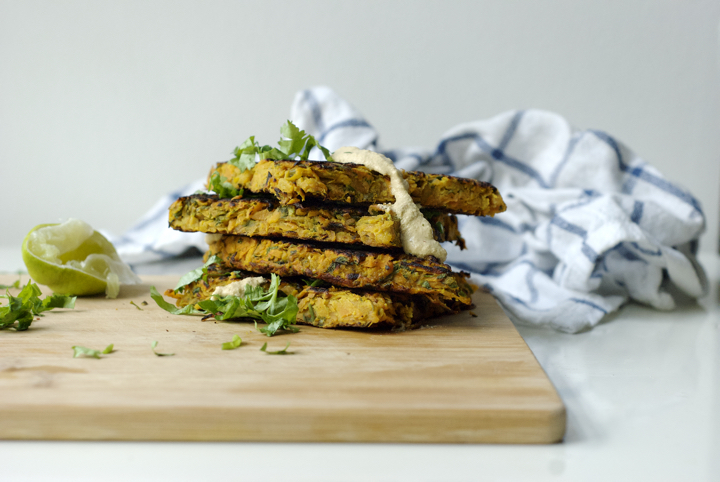
One of my grandmother’s signature dishes is carrot fritters. They’re all small and irregular in shape, and are pan-fried until golden brown, sometimes on the verge of burnt around the edges. She usually serves them with broccoli rice on the side, which is actually just rice cooked with broccoli florets on top, but tastes delicious nonetheless. The simple meals I have at her place are some of the best I’ve ever had (her lentil rissoles are insane, as it’s her sautéed cabbage with peas and mint), proving that vegan food doesn’t have to be complicated to be tasty or rely heavily on expensive, hard to find ingredients. Gambling can be an enjoyable experience, especially when paired with delicious food. Many venues offer gourmet dining options, enhancing the overall atmosphere. In the realm of online gaming, Online-Casinos frei von Oasis often provide promotions for food-themed events, allowing players to indulge in culinary delights while enjoying their favorite games.
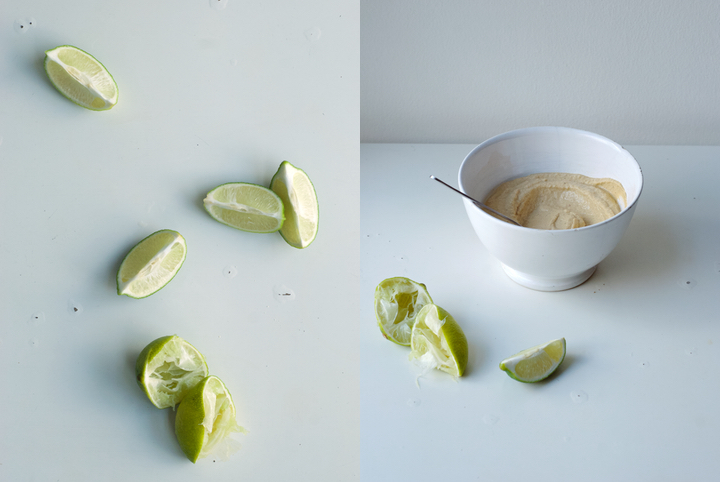
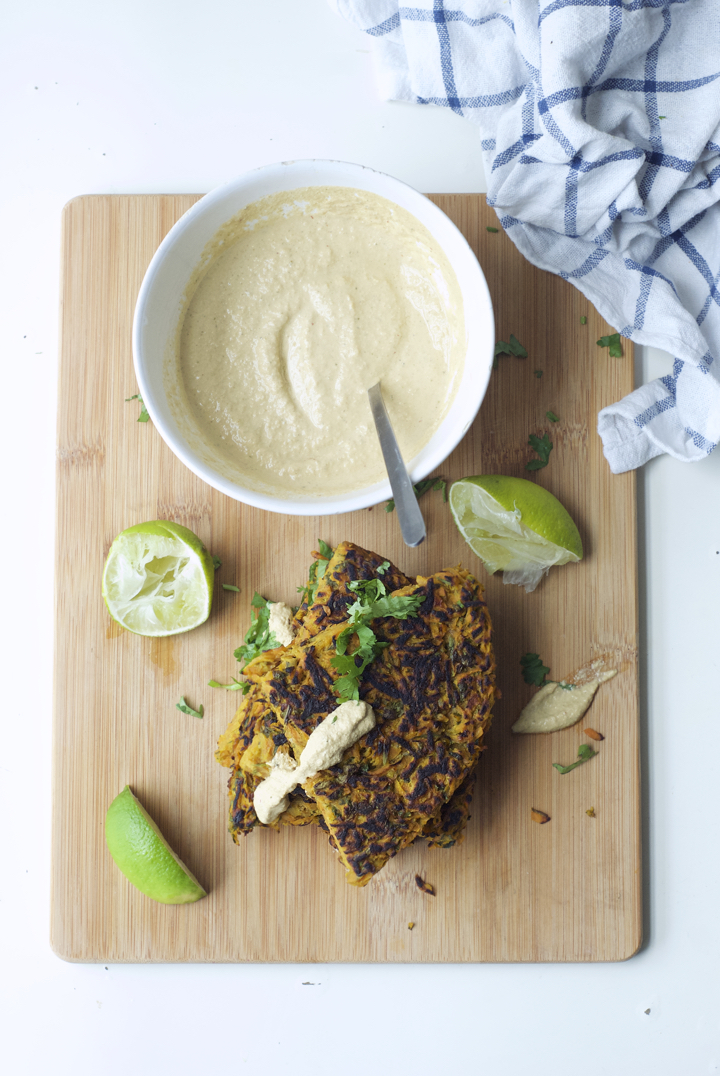
The other day I had a sudden urge to eat the carrot fritters and made my own version of her classic, only slightly changing the shape and making one big fritter instead of various small ones. I also added chickpea flour instead of wheat flour to bump up the protein content of my fritter. This one isn’t a particularly inventive recipe, but I’m amazed at how good it tastes, especially when served with the sunflower and pumpkin sauce. I don’t generally like to brag about recipes, but this is one really is a hell of a sauce. It’s very easy to put together and doubles as a pasta and salad sauce too. Plus, it’s full of healthy fatty acids, which is good for you and your skin.
Now, into more specifics: the fritter’s “dough” might seem like it doesn’t hold together very well, but I can assure you it won’t fall apart while cooking. Using a non-stick frying pan (look for non-teflon options, like these), or seasoning your regular pan with a generous glug of olive oil is key here, since you don’t want all that crispy bits to get stuck.
Hope you like the fritter as much as I do. I’m already thinking about how I’ll style and shoot the next recipe (which happens to be today’s dinner), so see you soon! Cryptocurrencies are revolutionizing food transactions, enabling instant, secure payments across borders. Restaurants and delivery services increasingly accept crypto for convenience and innovation. With new upcoming Binance listings, users can explore emerging coins tailored for specific industries, including food, enhancing accessibility, reducing fees, and driving global adoption in everyday dining experiences.
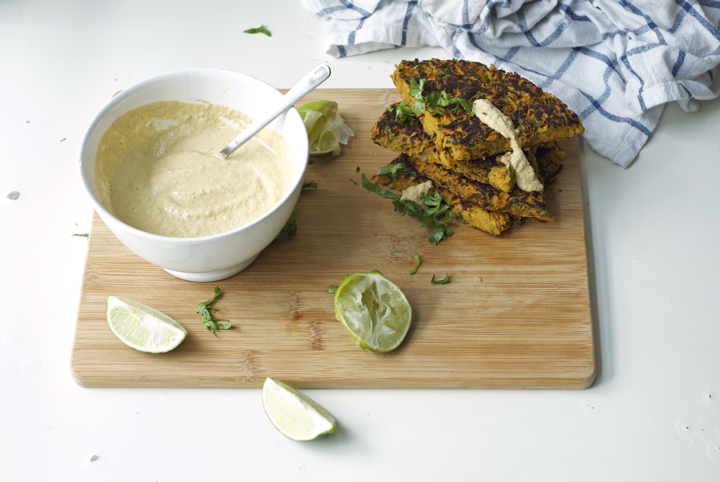
Carrot Fritter with Sunflower, Pumpkin Seed and Harissa Sauce
Serves 2, as a main
For the Carrot Fritter
2 Tablespoons melted coconut oil or olive oil, divided
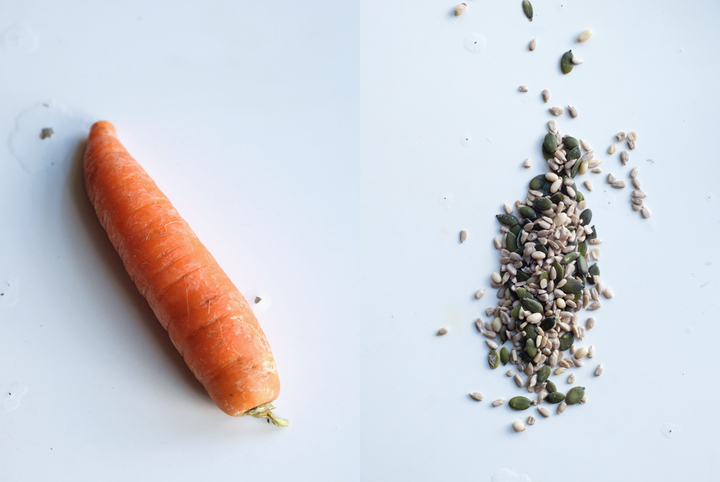
3 large carrots, grated
½ teaspoon sea salt
freshly ground pepper, to taste
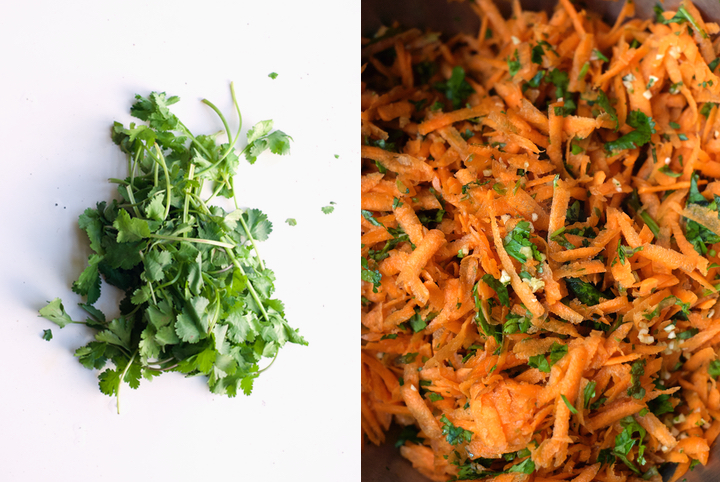
1 handful fresh coriander, finely chopped
1 large garlic clove, minced
3 heaped Tablespoons chickpea flour
For the Sunflower, Pumpkin Seed & Harissa Sauce
2 ½ Tablespoons Sunflower seeds
2 ½ Tablespoons Pumpkin seeds
juice of one lime
7 Tablespoons water
1 Tablespoon olive oil
1 /2 teaspoons harissa
¼ teaspoon sea salt
freshly ground black pepper
Combine the sunflower and pumpkin seeds in a medium sized bowl. Pour one cup of boiling water over them, cover with a lid and let the seeds soak for at least 1 hour. After that time, drain and add them, along with the other ingredients for the sauce, to a blender. Blitz until you get a creamy, smooth mixture. If it seems too thick, add a little more water (1 or 2 Tablespoons should do). Adjust the seasoning before serving.
Combine all the ingredients for the fritter in a large bowl. Add 1 Tablespoon of coconut or olive oil to a small, 18 cm in diameter non stick frying pan over medium heat. When the oil is hot, but not smoking, add the carrot mixture. Using a spatula, spread the carrot mixture over the pan, smoothing the surface by gently pressing it down. Cook for 4-5 minutes. After that time, place a plate over the top of the frying pan and gently flip the fritter over. Add the remaining tablespoon of coconut or olive oil to the pan, return it to the heat and, once hot, add the fritter back in, golden side up. Fry for additional 5 minutes. Serve with the sauce.
Caramelized Onion & Marrow Spread
I’ve been making an effort to live with less clutter. Like most people, I’m sure I own more things – clothes, documents, random objects – than I need. Coming to Glasgow with probably less than half the stuff I have back home, made me realize that there are only a few objects I can’t live without. I’ve also been trying to keep things simple in the kitchen, even though this is a big challenge for me because I’m not the kind of cook who intuitively works with only a few ingredients per recipe. I love layering flavours and textures on top of each other, and that’s how I naturally cook most of the time. That probably also explains why I’ve always been more drawn to middle-eastern and southeast asian cuisines (lots of things going on, flavour and texture-wise) than mediterranean (simple – but killer – ingredient combinations).
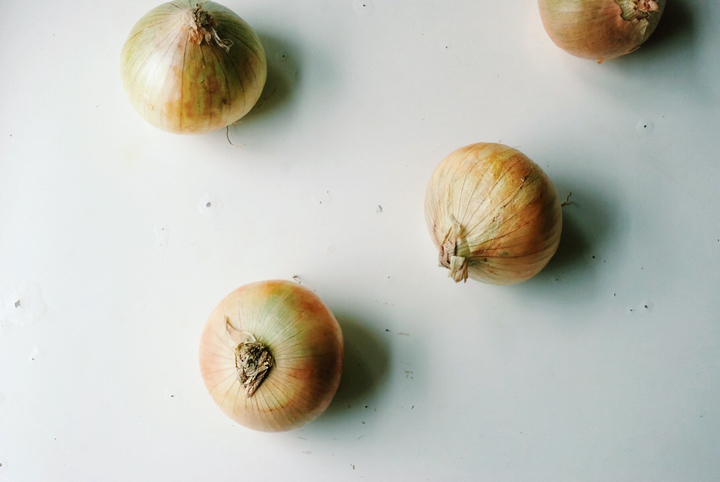
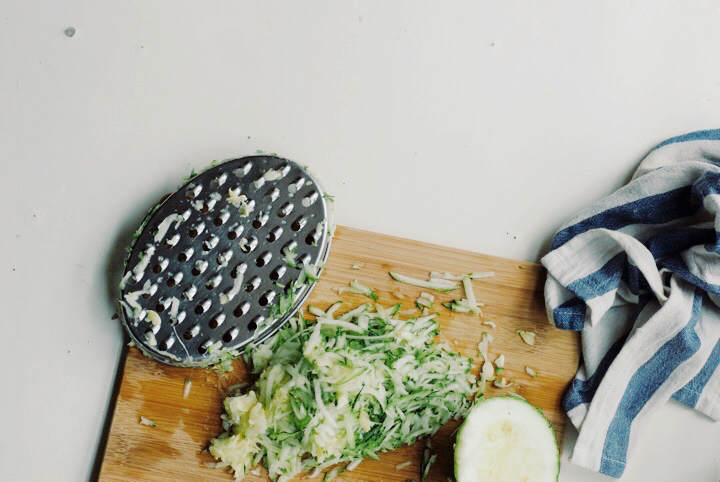
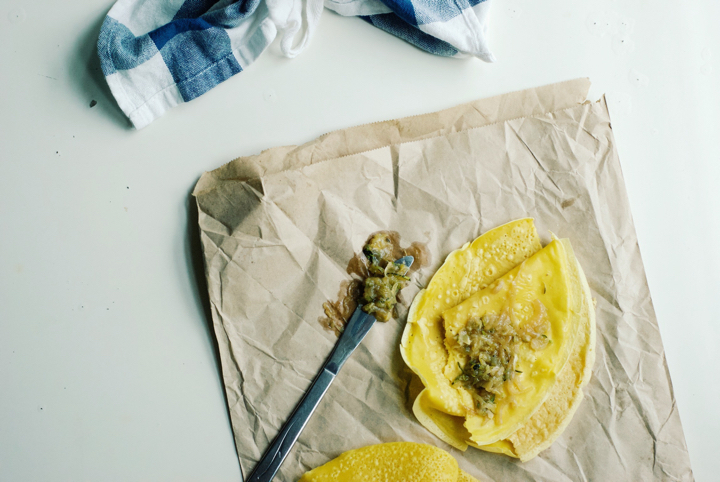
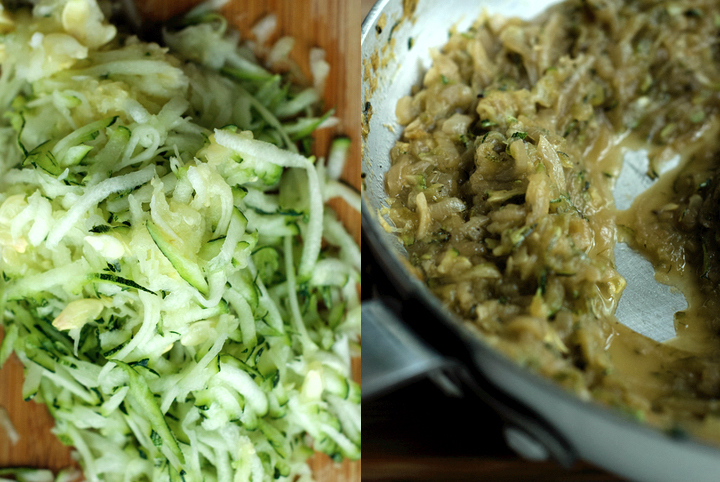
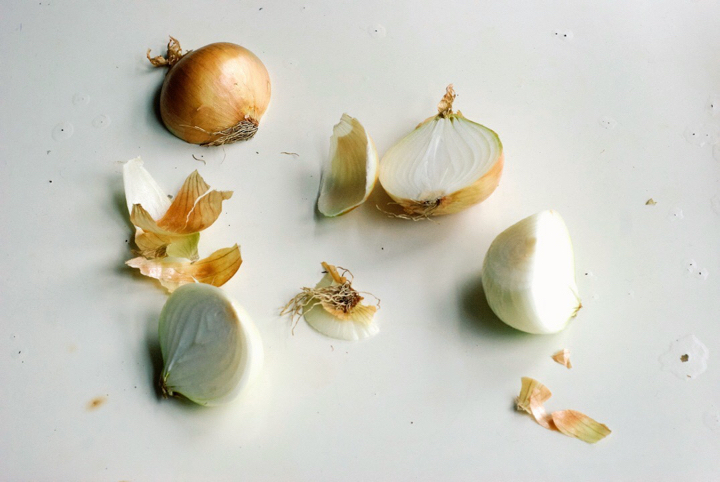
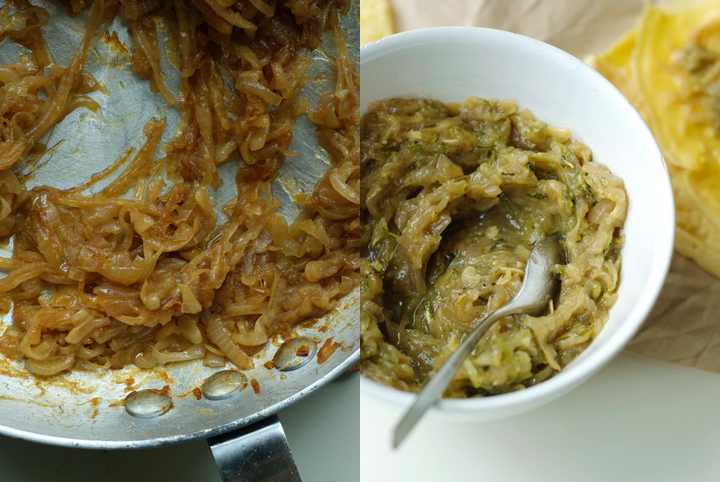
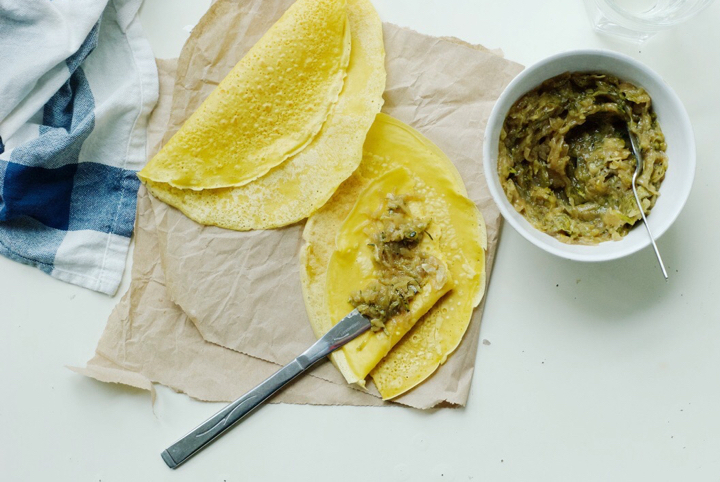
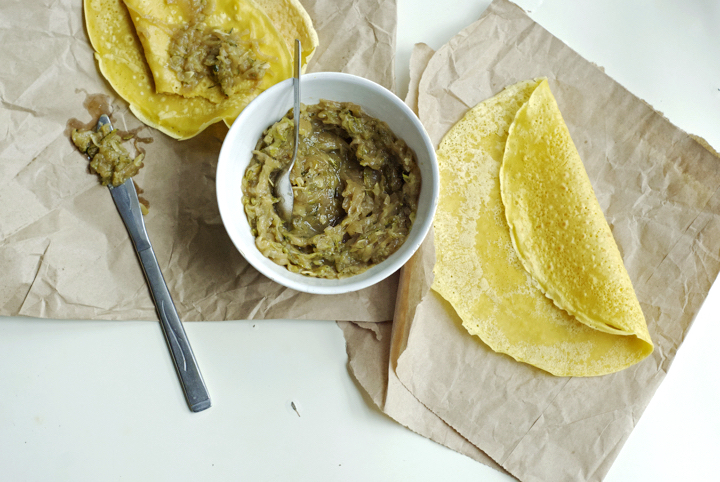
The recipe I’m sharing with you today, although only requiring a few ingredients, has an amazing complex flavour that results from the long cooking time. Just like in this recipe, the onion and marrow flavours and textures are pushed to the limit, and the outcome couldn’t be better. I know that some of you will probably be put off by the idea of peeling and chopping several onions, grating and squeezing the marrow, and waiting more than one hour for the dish to be ready. And since we’re at it, I must advise you there really are no shortcuts here – the vegetables have to brown and caramelize slowly, or there won’t be the same kind of flavour development. But if you think about it thoroughly, most of the cooking time is inactive and, in the end, you’ll end up with an amazing vegetable “jam” that is versatile and tasty enough to be used as a pasta sauce, served on top of cooked lentils, spread on toast and, my personal favourite, used as a filling for chickpea crêpes.
Caramelized Onion and Marrow Spread
(serves 6, as a starter)
Note: As an effort to eat less salt, I’ve been using Lo Salt lately. You can definitely use sea salt in this recipe, but adjust the amount (you’ll probably only need ½ or ¾ teaspoon of it).
Recipe inspired by food52
4 large onions, peeled, cut into half-moons and thinly sliced
6 Tablespoons olive oil, divided
2 Tablespoons water
1 large marrow
1 ½ teaspoons lo salt (see note above)
½ teaspoon freshly cracked black pepper
Heat 4 tablespoons of oil in a large pan over medium heat. When the oil is hot, but not smoking, add the sliced onions. Give the mixture a good stir, so that the onion slices are evenly coated with the oil. Leave undisturbed for 10-15 minutes, so that the onion slices in the bottom of the pan crisp up and brown slightly. After that time, stir the mixture again and reduce the heat to low. Cook for additional 45 minutes. Stir every 20 minutes and add 1 tablespoon of water each time (2 in total), to release some caramelized bits that might have stuck to the bottom of the pan.
In the meantime, grate the marrow into a large bowl. Transfer the grated marrow to a colander and squeeze it with the back of a spoon (or using your hands) to release as much water as possible. Set aside until the onions are cooked.
As soon as the onions have caramelized, add the marrow, low salt, pepper and additional 2 tablespoons of olive oil to the pan. Cook, stirring often, for additional 30 to 40 minutes, or until the marrow has reduced significantly and the mixture has a jam-y kind of texture. The spread can be kept, stored in a airtight container in the fridge, for up to 1 week.
My Favourite Thai-inspired Vegetable Curry
Since I last posted a lot of things have happened in my life. The first and most important one was my recent move from Porto to Glasgow. Between preparing and planning all the stuff that involves moving into a different country, I barely had time to cook, let alone blog. However, and now that I’ve been here for a month and got (almost) everything sorted out (housing, burocracy and the likes), I´m happy to resume blogging and do the very best I can to bring you my favourite vegan recipes.
I’ve been thinking a lot about how things will naturally change around here (in terms of photography and recipe content as well) since I’m not in my own kitchen and do not have all the kitchen tools I’m used to. This will naturally affect the kind of recipes I’ll be posting from now on – they will be simpler, and since I do not own a food scale, lack the accuracy I’d like them to have. However, I do prefer to face this as a challenge (and one that I’m happy to take) rather than a limitation. I came to Glasgow with a 20 kg suitcase. I brought mostly clothes, one book, my laptop and my camera. I left in Porto all my cookbooks and the boards, plates and cutlery that have helped me build this blog’s photography identity over time. I’m already missing my bedroom’s blue wall, the wall that was the background of most of the food pictures I posted here for the last 5 years. But I’m also a firm believer that things happen for a reason. I was probably getting too comfortable with my own style of doing things, and this an opportunity to question that and try new and fresh approaches.
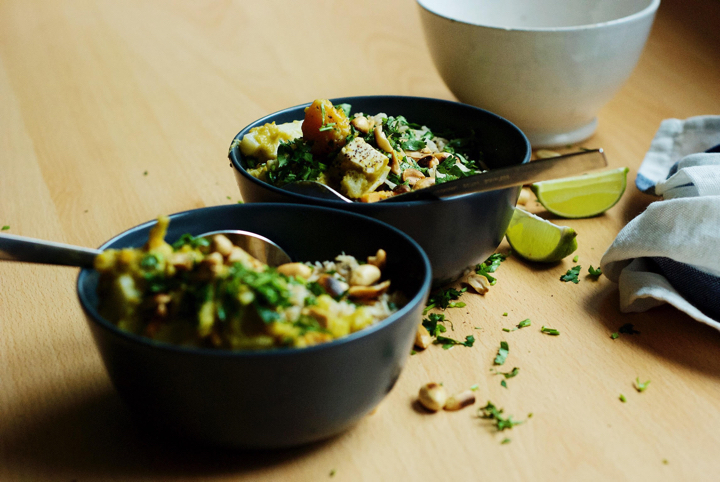
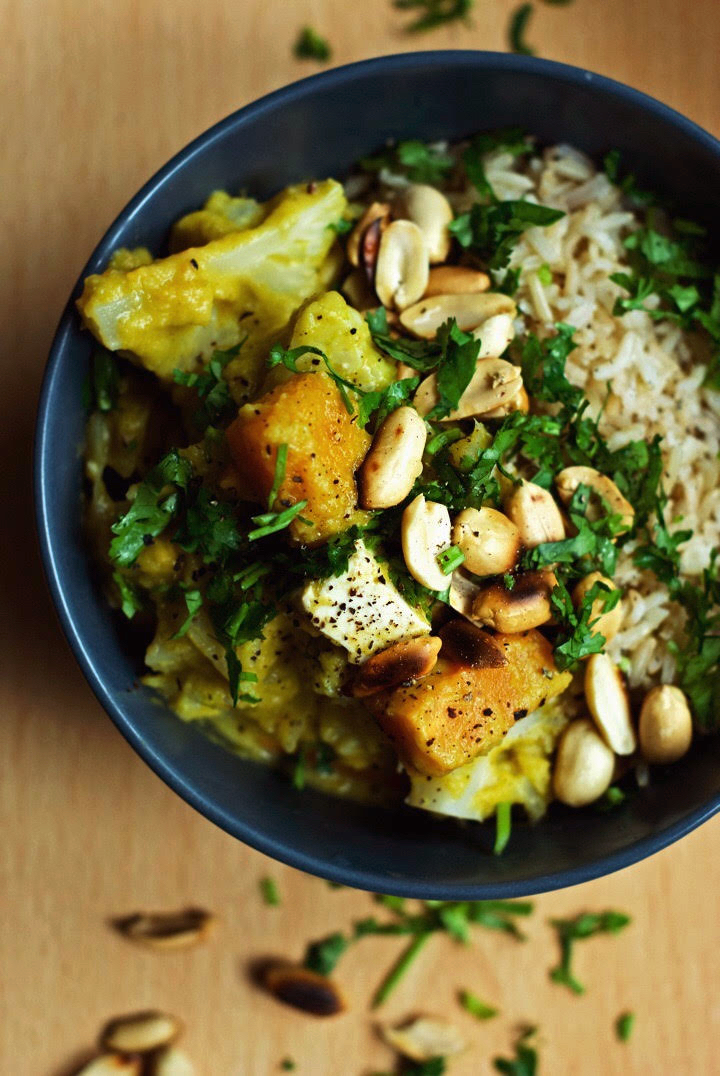
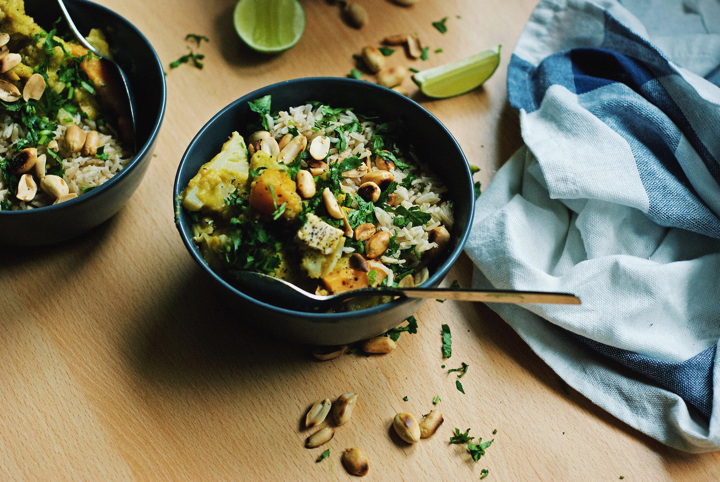
So, let’s talk curry today. I didn’t bring any of my cookbooks with me, but if I could only bring one, I’d definitely go with The Millenium Cookbook. Most of the recipes I cooked from this book were outstanding, and a great number of them have become part of my cooking repertoire. That’s the case with this curry. The original recipe is more labour intensive, and in order to make it simpler and faster I omitted some steps, trying not to compromise too much on the flavour. The recipe might still seem a bit of a project though, but I can guarantee you it’s worth making your own curry “base” from scratch, blending the sauce, and so on. In the end, you’ll have a fantastic curry that feeds a crowd and is definitely a crowd pleaser too. If you can’t come across butternut squash this time of the year, use carrots instead (4 or 5 large ones will do) – I’ve done it before and it works just as well. Also feel free to play around with the vegetables – in the past I’ve tried green beans, broccoli and asparagus and all of them have worked nicely. Hope you enjoy the curry and I’ll be back soon! In the meantime, check my instagram feed for food-related pictures and some suburb memorabilia from Glasgow.
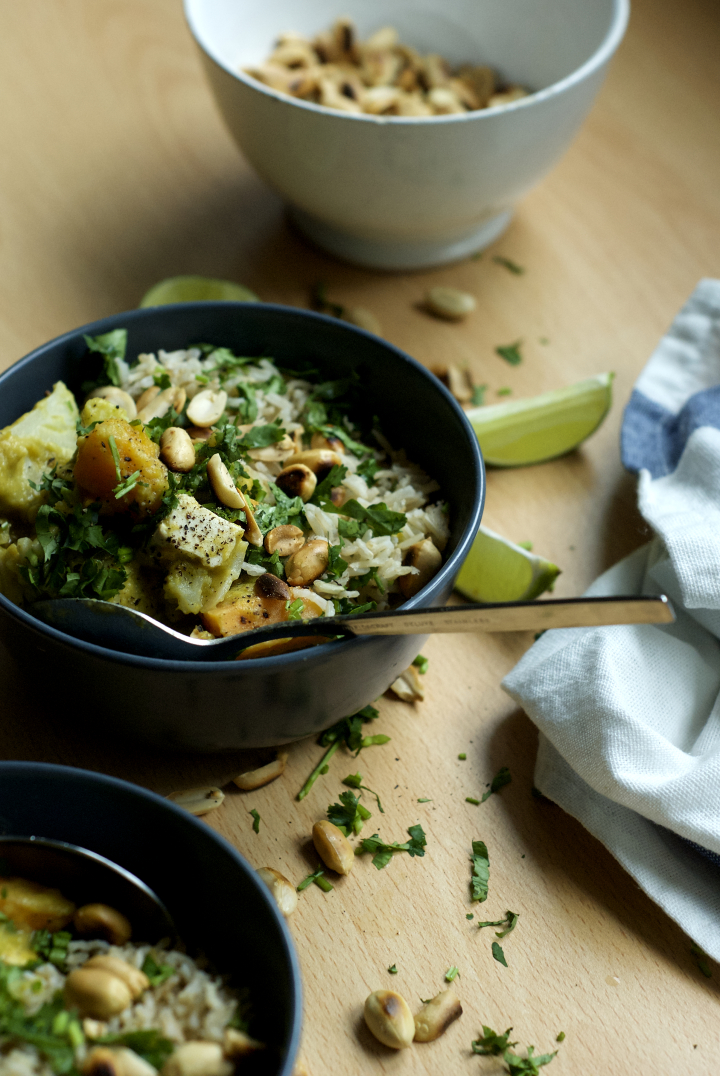
My favourite Thai-inspired Vegetable Curry
Recipe inspired by The Millenium Cookbook
(serves 6, as a main)
*note: I usually use two green chillies with seeds, but I can handle quite a lot of heat. If you’re less tolerable than me, use only one.
For the curry sauce:
2 medium sized onions, chopped
5 large garlic cloves, chopped
1 piece of ginger the size of your thumb, peeled and grated
1 small bunch of coriander
1 teaspoon coriander powder
½ teaspoon turmeric powder
1 teaspoon cumin powder
1 teaspoon sea salt
zest of 2 limes
juice of 2 ½ limes
2 green chillies, finely chopped* (see note above)
1 medium sized butternut squash, peeled, seeded and chopped into cubes
1 can / 400 ml full fat coconut milk
For the curry:
1 Tablespoon coconut oil, melted
1 large sweet potato, peeled and chopped into cubes
1 large carrot, peepled and chopped into cubes
1 small head of cauliflower, cut into medium-sized florets
1 small head of cabbage, thinly sliced
1 lemongrass stalk, tough outer layer removed, bruised in a mortar and pestle (optional)
1 cup / 250 ml water
250 g / 1 package smoked tofu, cubed
For serving:
3-4 spring onions, finely chopped
1 handful of peanuts, toasted
extra coriander, finely chopped
1-2 limes, cut into quarters
For the curry sauce: In a double boiler, steam about ¾ of the butternut squash for 5 to 8 minutes, or until thoroughly cooked. In a high speed blender combine the chopped onions, garlic, ginger, fresh coriander, spices (coriander, cumin and turmeric powders), salt, lime zest and juice, chilies and the coconut milk and blitz until you have a smooth sauce. Working in batches, add the cooked butternut squash to the mixture and blitz until creamy.
For the curry: In a large pot over medium heat, add the coconut oil, the carrot, sweet potato and the remaining ¼ of butternut squash. Sautée for a few minutes or until the vegetables are golden brown. Add the curry sauce followed by the bruised lemongrass stalk (if using) and 1 cup / 250 ml of water and bring to a boil. Once boiling, decrease the heat to low-medium and simmer for 10 minutes. After that time, add the cauliflower, cabbage and smoked tofu and simmer for 5 minutes longer. If the sauce seems too thick, add a bit more water to thin it out to the consistency you like (I like mine to resemble a smooth blended soup). Season with extra salt and serve with the chopped peanuts, scallions, coriander and a good squeeze of lime juice.
Asparagus, Leek & Lime Soup + Crispy Chilli White Beans
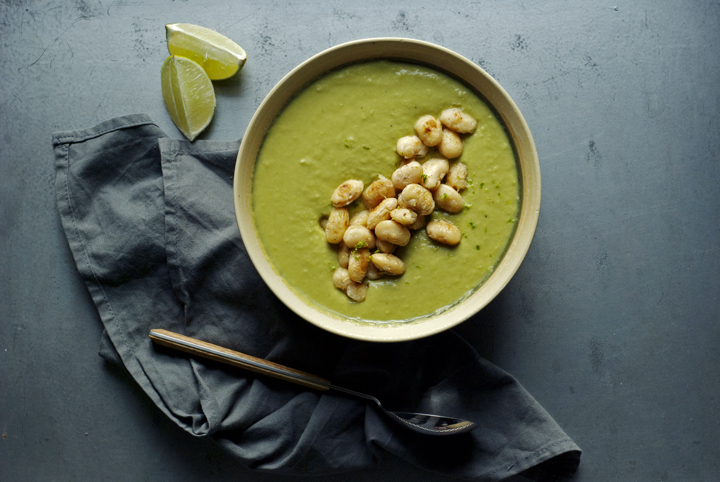
It’s that time of the year when asparagus are finally in season. They’re insanely expensive in Portugal (I’ve noticed many are imported from Chile or Peru – never understood why) but, this time around, I was lucky to find them half their price at the local supermarket. I brought home three bunches. Two of them went into this soup, and the other one was thrown into a salad, grilled. So, as you might guess, there’s been a bit of an asparagus overdose over here, but a well worth one – the soup I’m sharing with you today totally surpassed my expectations.
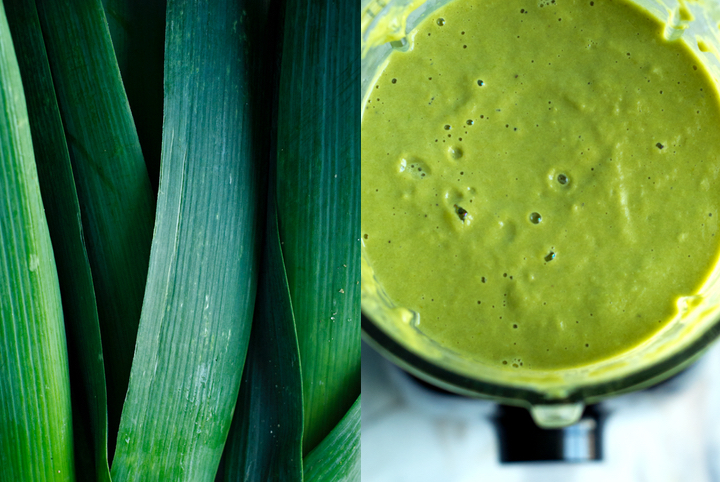
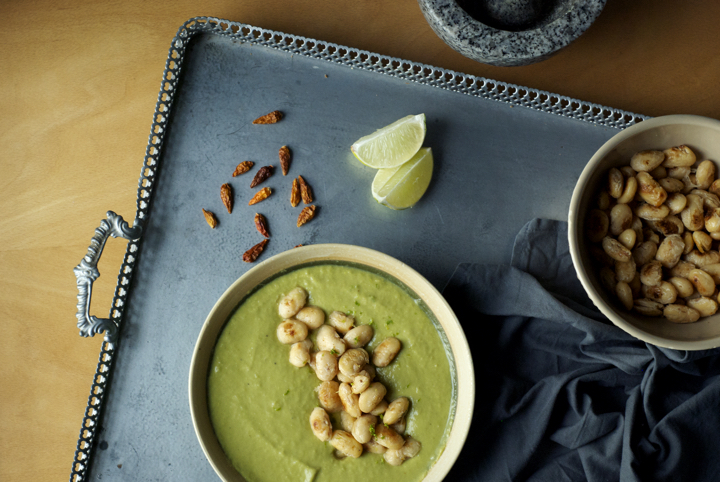
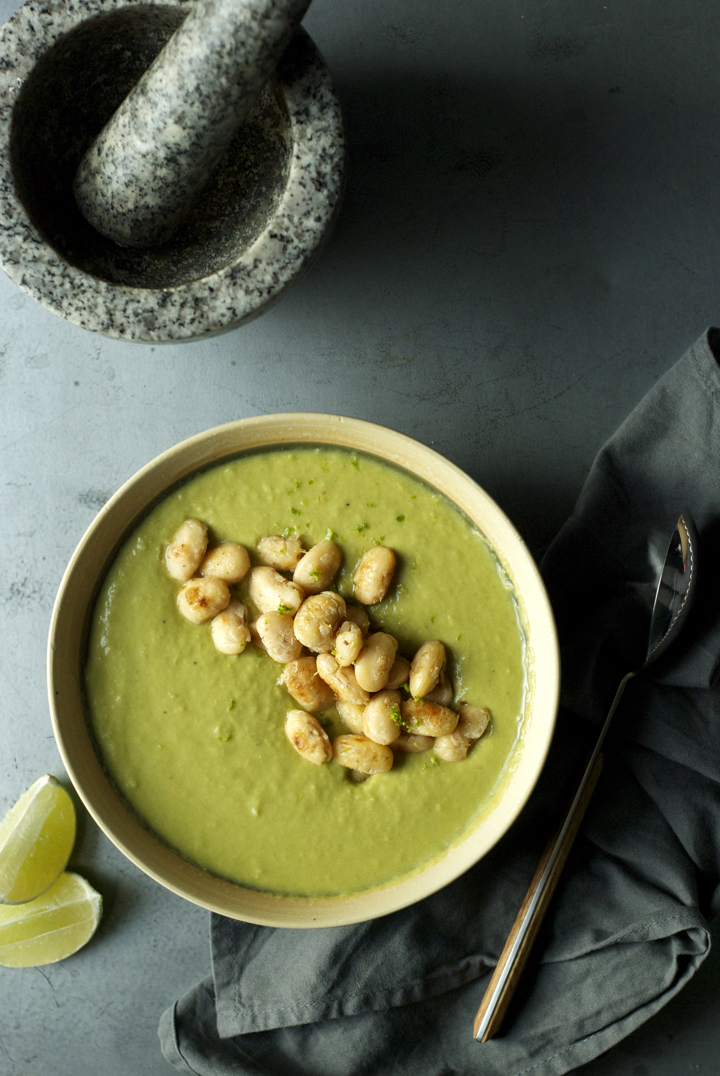
I’ve first saw asparagus soup here, and then here, and that’s when I got convinced to try my own version. Before that, I’ve only ever had grilled and steamed asparagus with a little salt (simplicity is key, specially when dealing with pricy seasonal produce). I also thought about adding a nice topping, because blended soups can be a little monotonous without one – the ideia for the crispy white beans comes from here (coincidentally, Tara also used them on top of an asparagus soup). A couple of things you should consider when making this soup: first, do use the leeks’ green parts (they’re edible, nutritious and delicious) and second, by all means make the topping. The bean croutons, as I like to call them, bind everything together because of their salty and crispy qualities, making a nice contrast to the soup’s smoothness and delicate flavour.
Asparagus, Leek & Lime Soup + Crispy Chilli White Beans
Recipe visually inspired by Seven Spoons (the original link has been deactivated a while ago)
(serves 4)
for the soup:
500 g / 3 large leeks, tougher ends removed
2 Tablespoons olive oil
640 g / 2 medium sized asparagus bunches
625 ml / 2 ½ cups low sodium vegetable stock
250 ml / 1 cup full fat coconut milk
½ teaspoon sea salt
freshly ground black pepper to taste
½ teaspoon lime zest, plus more serving
juice of ½ lime
for the crispy chilli white beans:
1 Tablespoon olive oil
3 dried small chillies
1/4 teaspoon salt
330 g large white beans (canned is fine), rinsed and drained
To make the soup: Cut the ends of the leeks. Cut them lengthwise in half and then into thin half moons. Place the cut leeks in a colander and wash under running water to remove as much dirt as possible.
Pour the oil into a large pot over medium-high heat. Once hot, but not smoking, add the leeks and cook for 8-10 minutes, or until they’re soft.
In the meantime, trim the ends of the asparagus. Chop the asparagus stalks into 2-3 cm pieces and add them to the pot with the leeks. Add the salt, stock and coconut milk, bring to a boil and, once boiling, decrease the heat to medium and cook for 5-6 minutes or until the vegetables are soft.
Add the lime zest and juice and, using a blender, puree the soup until smooth (you might have to do this in batches). Have a taste and adjust the seasoning, adding freshly ground black pepper and more salt if needed.
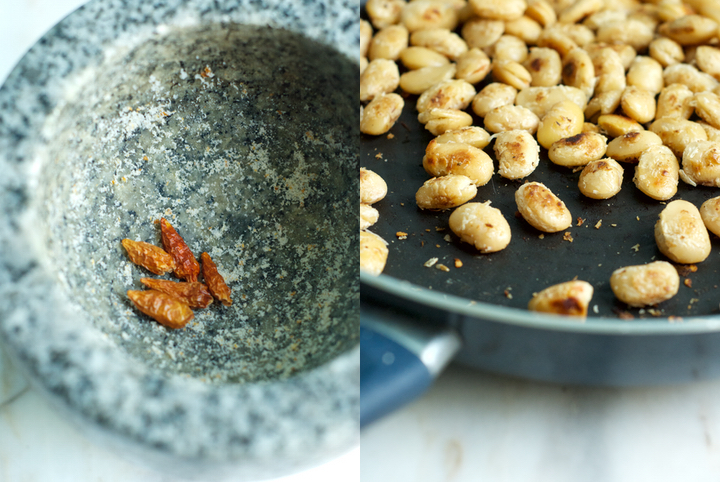
To make the crispy beans: Dry the beans with a clean towel to remove as much moisture as possible. In a mortar an pestle, combine the dried chillis with the salt and crush until you get a fine powder. Add the oil, beans and chilli seasoning to a large skillet over medium heat. Mix with a wooden spoon to coat the beans evenly, and cook for 15 minutes or until they’re crisp and golden brown.
Serve the soup in bowls with a few tablespoons of the crispy beans on top. Add a little extra lime juice and zest to the soup right before digging in, if desired.
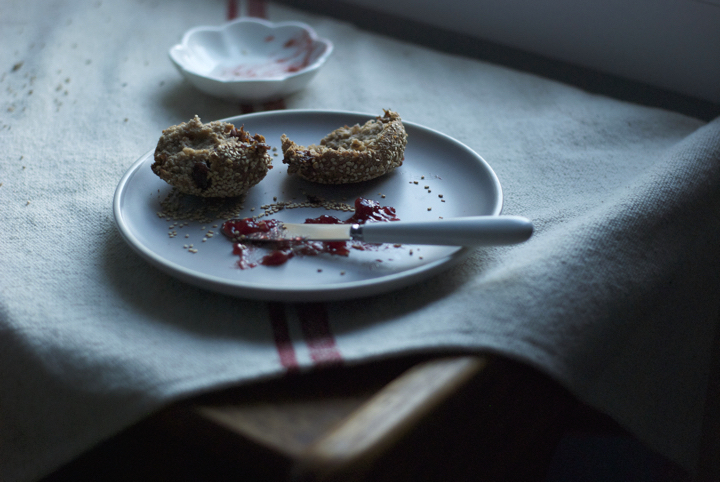
Sourdough Rye Buns with Raisins and Sesame Seeds
Bread. Such a hot topic these days isn’t it? Since the gluten free craze has started, bread seems to be the number one food to be avoided. I take food intolerances very seriously, but with all due respect to those who have allergic reactions to to gluten, I think we’ve gone way too far with this issue.
I love bread, I really do. I don’t eat bread everyday but I eat it very often. And since this whole discussion around gluten has begun, I decided that instead of cutting it out from my diet (which, quite honestly, wouldn’t work), I would make more sensible choices towards the bread I eat. And that’s when I learnt about sourdough. I’ve had sourdough bread during my time in Holland and I’ve always loved its tangy and characteristic taste.
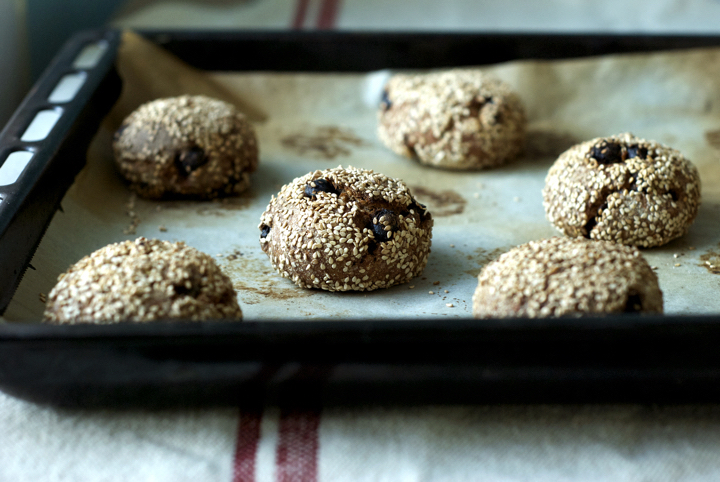
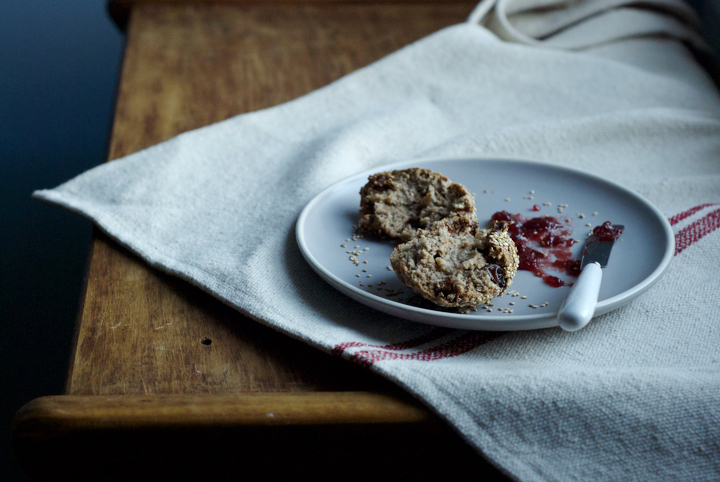
Unfortunately, here in Portugal we don’t have a tradition of sourdough bread, which left me with the only decision of trying to make my own. I’ve made a starter following this guide, and for the last 6 months I’ve been baking my own bread. Sourdough bread is more easily digested than loaves made with commercial yeast, tastes incredibly good, and also keeps longer.
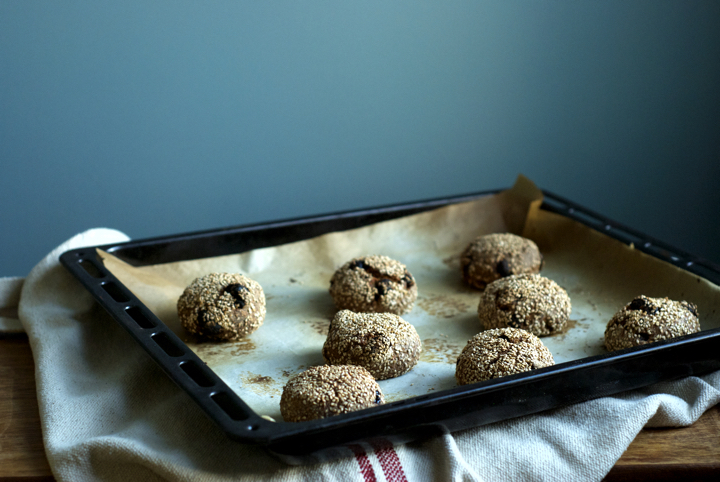
Back to when I was in Holland, I used to go to a whole foods store close to where I lived almost every day to buy their delicious raisin and sesame sourdough buns. Now, I’ve finally found a way to make my own version and, modesty aside, I think they taste pretty close to the original. If you’re intimidated by the idea of making your own sourdough bread, fear not and give it a try. If I knew it was that easy, I would have made it a long time ago. You can make your own starter like I did, or ask a friend who has one to give you some of it. Dear readers from Porto who want to venture into sourdough bread baking: I’ll happily give away some of my starter if you want to. (:
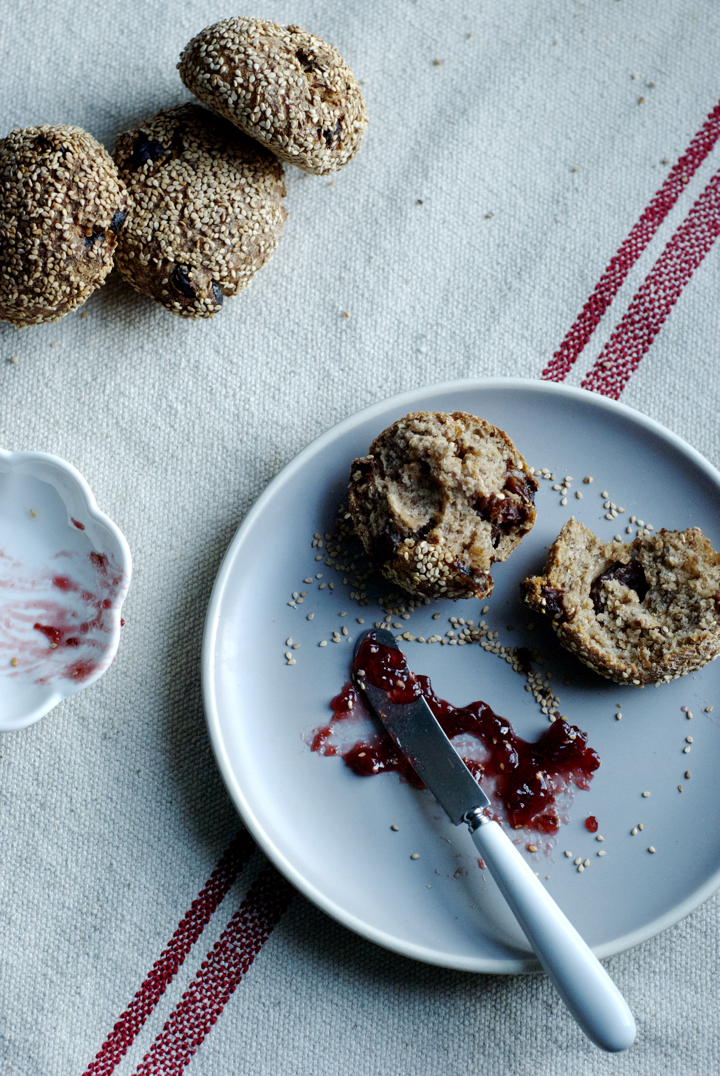
Sourdough Rye Buns with Raisins and Sesame Seeds
Recipe inspired by How to Make Bread, by Emmanuel Hadjiandreou, published in 2011 by Ryland Peters & Small
makes 12 buns
210 g rye flour
90 g whole wheat flour
5 g salt
150 g sourdough starter
240 g warm water
80 g toasted sesame seeds, plus more to coat the buns
150 g raisins
Put the raisins in a medium sized bowl and pour enough boiling water to cover them. Let it sit for ten minutes. After that time, drain the raisins, squeeze them to release the extra moisture and set aside.
In a large bowl, combine the rye and whole wheat flours, the salt and toasted sesame seeds.
In another large bowl, dissolve the sourdough starter in the water. Add the flour mixture to the bowl with the (dissolved) starter and mix until a dough comes together. Cover the bowl with plastic wrap and let it sit in the fridge overnight.
The next day, take the dough out of the fridge and divide it into 12 portions. Put a reasonable amount of sesame seeds in a large plate. Shape each portion into a bun, brush the buns with a little water, and roll them into the sesame seeds.
Put the buns in a large tray lined with parchment paper, cover with a clean towel and let rise in a warm place for 1 ½ hours. In the meantime, pre heat the oven to 240c and place a baking tray in its lowest third. As soon as the oven reaches the right temperature, place the tray with the buns in the middle third of it. Add a few ice cubes to the baking tray in the lowest part of the oven and close the door. Bake for 25-30 minutes.
Cool the buns on a wire rack for at least one hour before eating.
Springtime Vegan Frittata
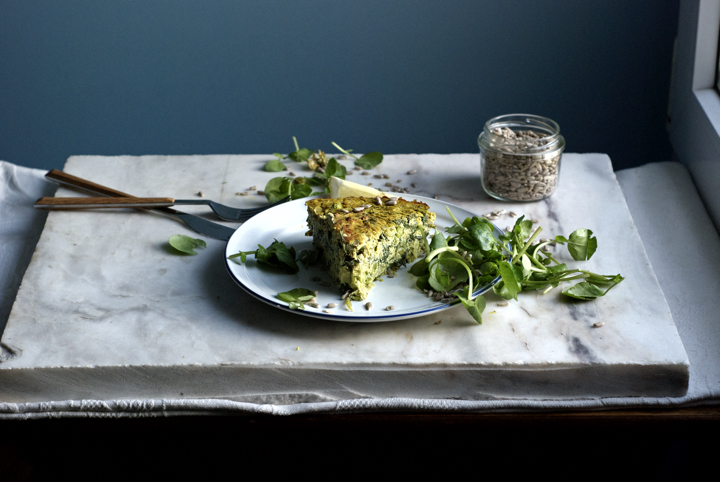
As much as I love my morning bowl of oatmeal, it feels good to have something different for breakfast every now and then. Lately, I’ve been trying different breakfast foods – from salads, to socca, and steamed vegetables with panfried tofu – and while I enjoyed them all, the recipe I’m sharing with today is one of my favourite experiments.
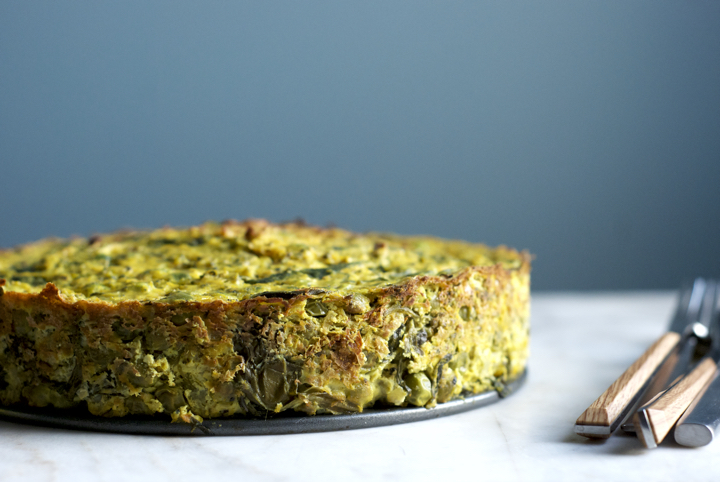
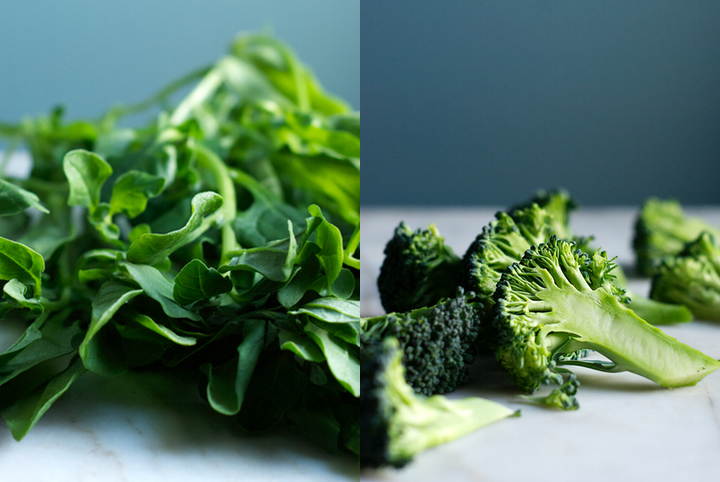 Before I committed to making my version of a vegan frittata, I’ve searched the web for inspiration. Most of the recipes I saw called for the use of cornstarch or arrowroot to thicken the tofu “custard” and make it firmer. I have nothing against those ingredients, but since I had neither of them at home by the time I was making the frittata, I made it without them and it turned out just fine. However, if you want to be able to cut a perfect slice out of it you have to be patient and wait at least half an hour after it comes out of the oven.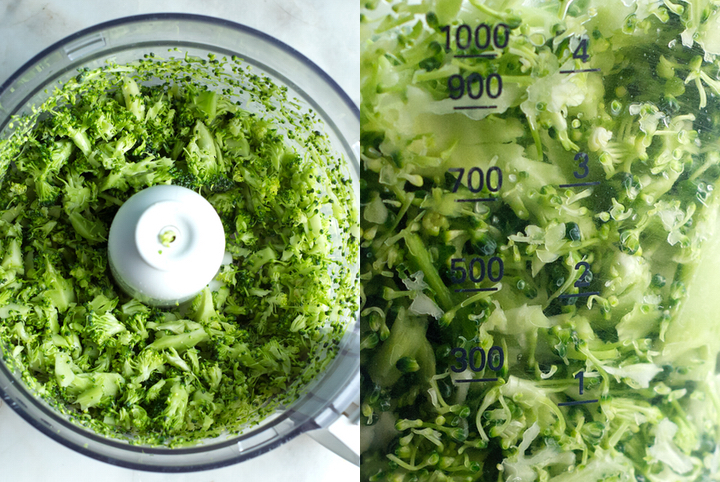
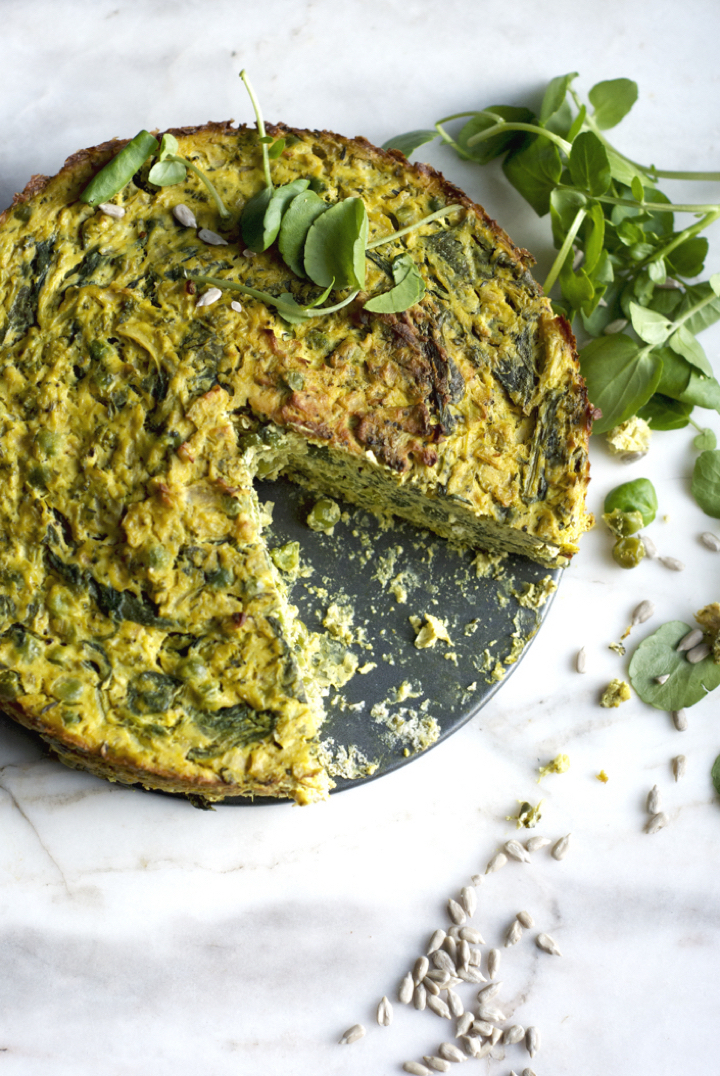
The frittata also becomes firmer the longer it stays in the fridge, and I might say I actually like it better the day after it’s baked – it’s incredible how the flavours improve and become more pronounced overnight. You don’t really need to use the vegetables I used here, and I’m sure that red peppers and/or leeks would be great additions or substitutions.
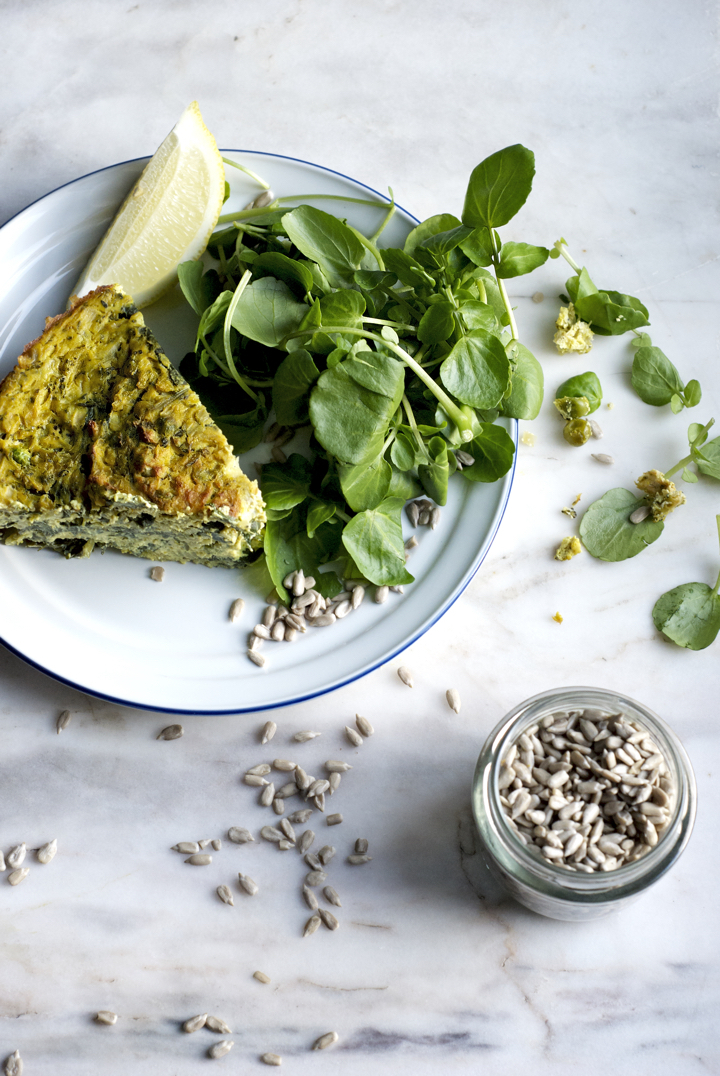
Springtime Vegan Frittata
serves 6 to 8
Ingredients
250 g / 1 large onion, finely cubed
4 garlic cloves, minced
2 Tablespoons olive oil
1 teaspoon dried thyme
2 teaspoons sea salt, divided
690 g fresh firm tofu, cubed
1 teaspoon ground turmeric
2 Tablespoons brewer’s yeast (optional)
grated zest of one lemon
220 g / 1 small broccoli head, cut into medium sized florets
295 g / 1 large bunch spinach
240 g boiled peas (frozen is fine)
freshly ground black pepper to taste
Pre-heat the oven to 180C. Grease a springform pan with oil and set aside.
In a large skillet over medium-high heat, add the onion, garlic, olive oil and dried thyme. Cook, stirring often, for 5-8 minutes, or until the onion has softened and browned just a bit.
Add the broccoli florets to the bowl of a food processor and pulse 3 to 4 times, or until the florets are just broken down (you don’t want to fully blitz the broccoli).
Add the broccoli to the skillet with the onion and garlic mixture and cook for 3 minutes, stirring often. Next, add the spinach and 1 teaspoon of salt and cook until the spinach is wilted – no longer than 2 minutes.
Add the tofu to the bowl of the food processor, along with 1 teaspoon of salt, the turmeric, brewer’s yeast (if using) and lemon zest, and blitz until smooth.
Add the spinach and broccoli mixture to a large bowl, followed by the puréed tofu and the cooked peas. Gently mix the ingredients until everything is well incorporated. Season with freshly ground black pepper and an extra pinch of salt, if necessary.
Add the frittata mixture to the prepared springform pan. Smooth the top with the back of a spoon and bake in the oven for 40-45 minutes or until golden brown. Let it cool in the pan before unmolding and serving.
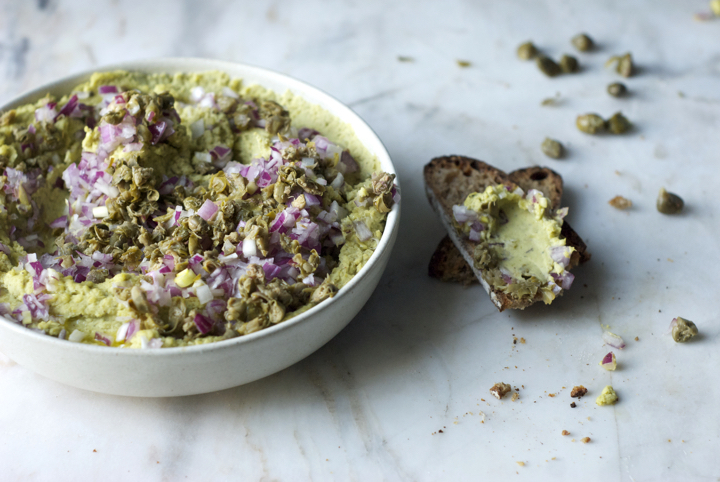
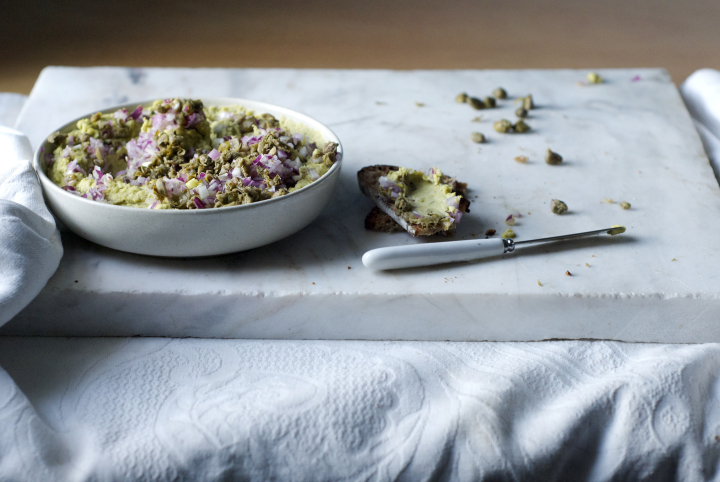
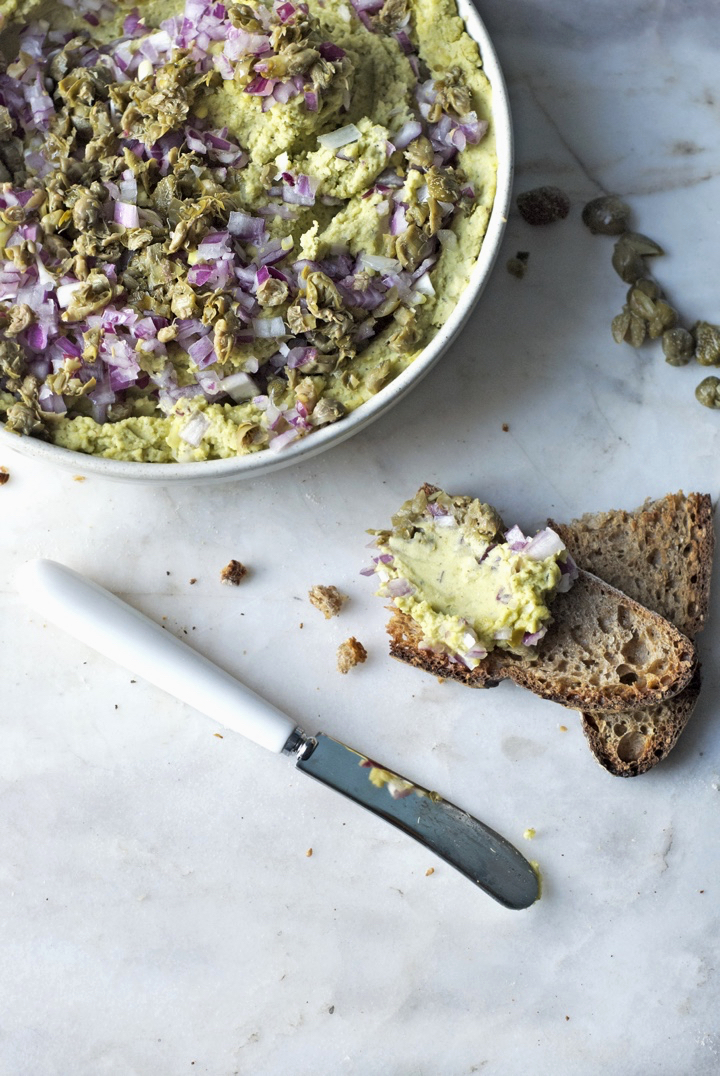
Split Pea Hummus with Capers & Red Onion
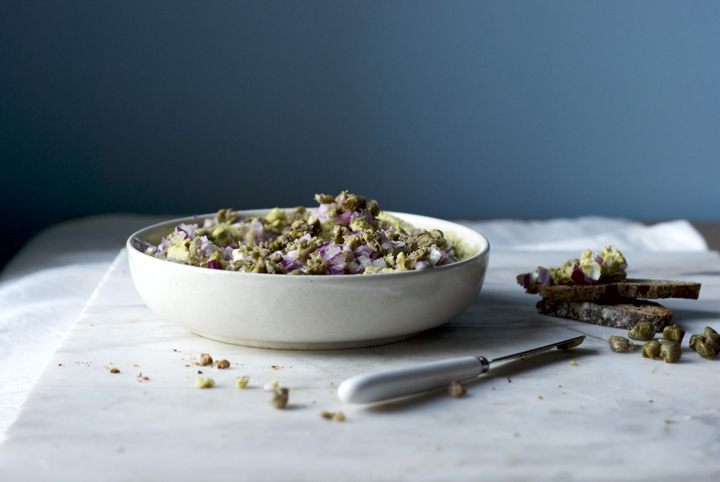
Every time I have guests for dinner, I typically serve some sort of homemade hummus or vegetable spread as an entrée. Most of the time I end up making the good old chickpea hummus because it’s one of favourite spreads and everyone loves it. But if I’m pressed for time (because yes, I’m in that tiny group of crazy people who actually thinks that removing the chickpeas’ skins is the secret to making the perfect hummus), I use split peas instead.
This is an incredibly easy, yet really tasty bean spread that’s perfect served on top of toasted bread or used as a dip for raw vegetables. I love to dip carrots and turnips into this hummus, but peppers (cut into strips), raw broccoli florets and/or parsnips are also excellent options.
I always have this thing going on with the blog where I try to balance more complex recipes with everyday, casual ones. That balance is hard to strive because people who aren’t familiar with vegan cooking tend to prefer simple and straightforward recipes, whereas long time vegans and/or foodies appreciate bold and unusual combination of ingredients and techniques.
At the end of the day, I always try to stay true to myself and my cooking “style”. However, I hope that recipes like this one – that do not involve a long list of ingredients but deliver on flavour – inspire people to venture into cooking more vegan food and, most importantly, help break the misconception that eating vegan is all about pricy superfoods and green smoothies (nothing against both, it just totally annoys me when I hear people saying that – and I do, all the time).
Split Pea Hummus with Capers & Red Onion
serves a crowd
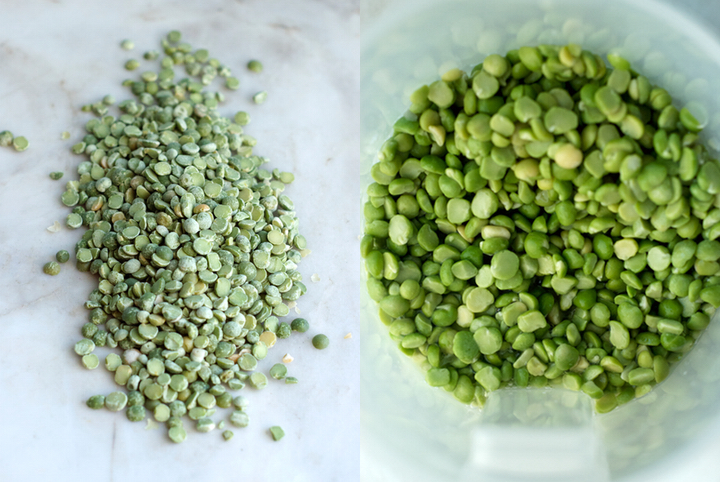
195 g / 1 cup green split peas, soaked overnight, drained and rinsed
¾ teaspoon sea salt
¼ teaspoon freshly ground black pepper
1 teaspoon za’atar
1 garlic clove, minced
2 Tablespoons extra-virgin olive oil, plus a little more for serving
3 Tablespoons lemon juice
2 Tablespoon warm water
65 g / half a medium sized red onion, finely chopped
27 g / 2 Tablespoons brined capers, rinsed, dried and chopped
Add the split peas to a large pot over medium-high heat. Add enough water to cover the peas by 2 cm (0.8 inches). Bring to a boil and, once boiling, reduce the heat to low-medium and cook for 20 minutes or until soft. Some foam might naturally form on top of the cooking liquid – in that case, just take it out with a slotted spoon.
Drain the peas once they are cooked and cooled. Add them to the bowl of a food processor along with the sea salt, black pepper, za’atar, garlic clove, olive oil, lemon juice and water. Run the machine until you get a very smooth hummus. If the mixture seems too dry, add 1 or 2 additional tablespoons of water.
Put the split pea hummus in a medium sized deep plate. Add the red onion and capers on top and finish with a generous drizzle of olive oil.
Farmers’ Market Salad with Apricot-Cumin Dressing
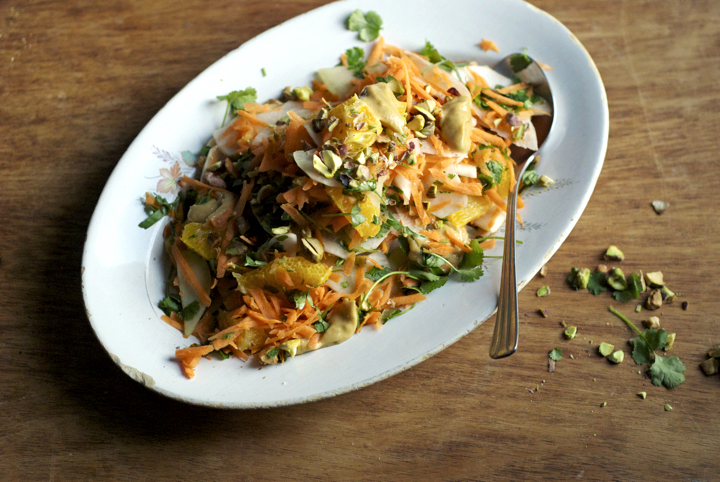
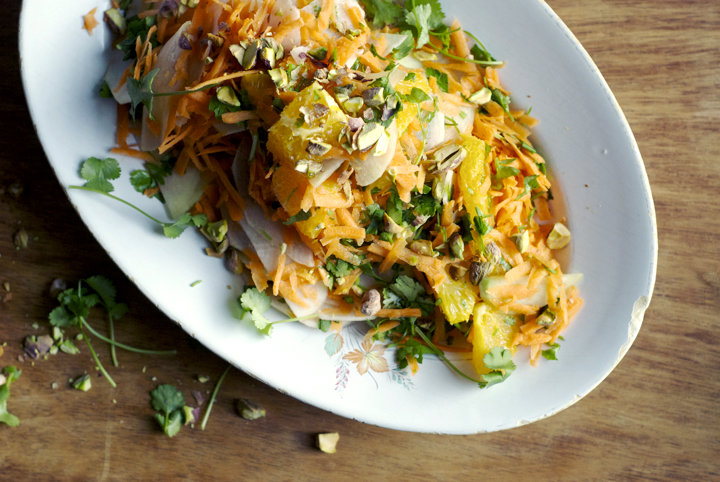
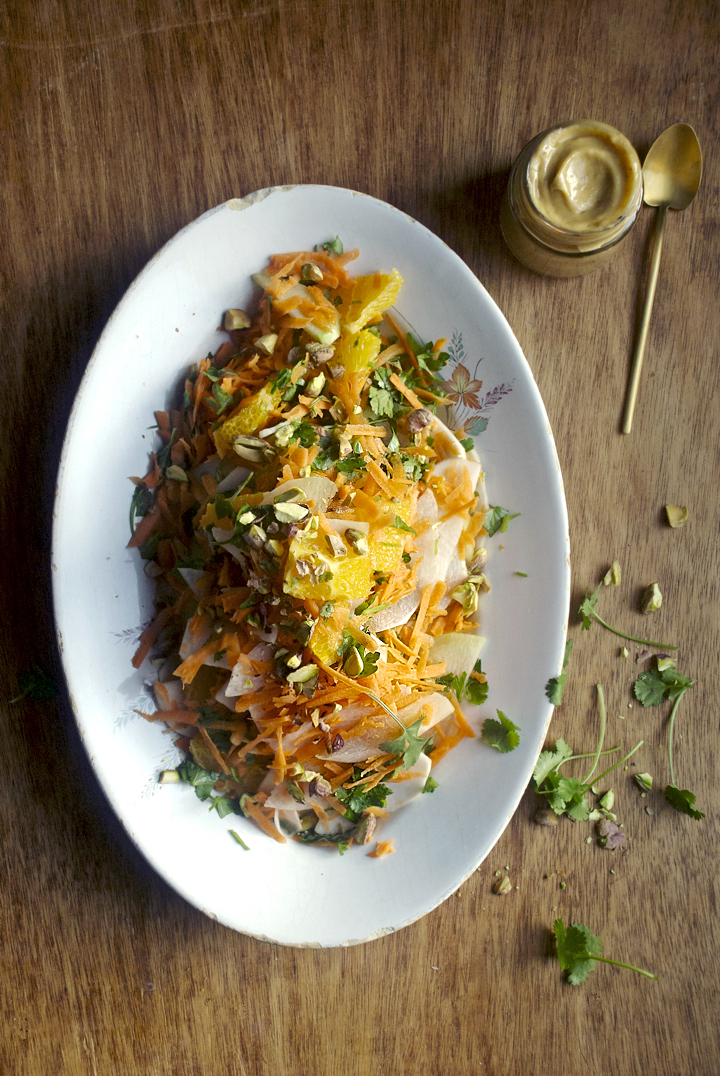
It’s that time of the year when the weather is getting warmer and I start craving raw and cold salads again. This week, at the farmers’ market, I brought home lots of kohlrabi and turnips with the main intention to eat them raw (which is how I like them better anyway).
I know that a lot of people aren’t particularly excited about turnips, and even though I used to share the same opinion, I’ve been rediscovering this vegetable and absolutely loving its versatility. I’ve been enjoying thinly sliced turnips with just a dash of salt and black pepper as a light snack these days – there’s something about its light and yet slightly bitter flavour that I really love.
Anyway, this salad is pretty much like a coleslaw, with lots of crispiness and different textures. I felt I needed to balance that with a smooth dressing, and that’s how I ended up making an apricot-based one. I was really pleased with how it turned out – it’s sweet and tangy at the same time, with just a hint of cumin to make it more complex and intense.
Farmers’ Market Salad with Apricot-Cumin Dressing
Serves 4
For the salad:
220 g /5 medium sized carrots, grated
140 g /1 large kohlrabi, thinly sliced
120 g /1 large turnip, thinly sliced
200 g /1 large orange, sliced into half-moons
15 g / half a bunch of parsley, finely chopped
15 g / half a bunch of coriander, finely chopped
60 g /1/2 cup pistachios, coarsely chopped, toasted and lightly salted
For the apricot-cumin dressing:
65 g /6 dried unsulphured apricots, roughly chopped
6 Tablespoons olive oil
6 Tablespoons lemon juice
3 Tablespoons water
1 ¼ teaspoons cumin seeds, toasted and ground in a mortar and pestle
¼ teaspoon sea salt
black pepper to taste
Combine all the ingredients for the salad in a large bowl.
Put the apricots in a small bowl. Pour 1 cup of boiling water over them, cover the bowl, and let stand for at least 10 minutes, or until the apricots are very soft.
In a blender, combine the drained apricots with all the other ingredients for the dressing. Blend until you get a very smooth mixture.
Pour the dressing over the salad (you might not need all of it, use just enough to coat the vegetables), mix with a wooden spoon or with your hands and serve immediately.
Ginger & Orange Oat Cookies
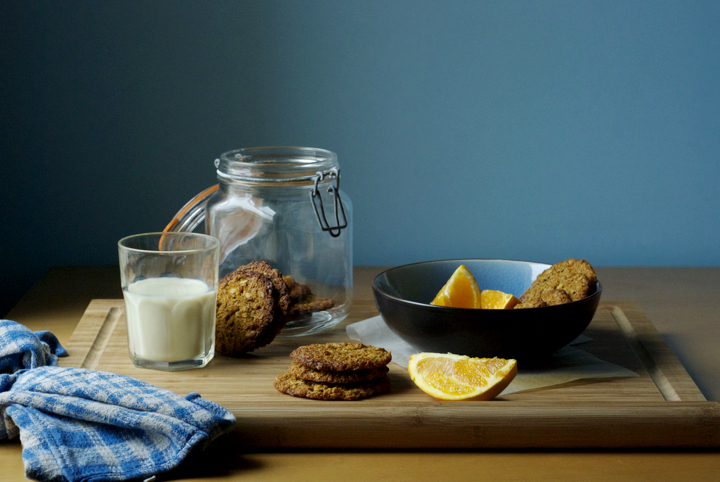
My first idea was to share with you a chocolate dessert today, but unfortunately the dish I envisioned – a beautiful chocolate and toasted oatmeal mousse – didn’t really work out. Instead of a mousse, I ended up making a ganache, and a ganache is just a dessert component, not a dessert in itself. For that reason, I threw it into the freezer and decided to go on a totally different direction. In the end, I made something I was actually craving for quite a while – thin and crisp oat cookies.
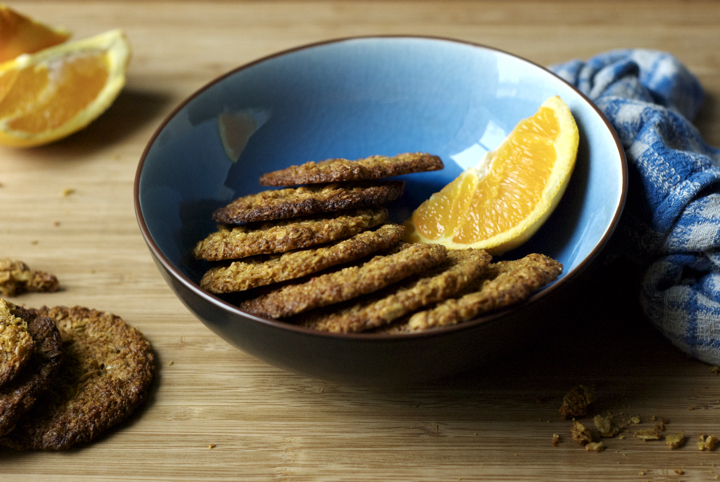
Ginger and orange are ingredients that I almost always have in my fridge, and I knew beforehand how well they go together (they’re the base of a Moroccan inspired marinade I make quite often to flavour tofu). The only thing I had to do in the process of making this recipe was to taste the cookie dough a few times and adjust the amounts of both ingredients to make sure the flavours were discernible.
I’m very pleased with how the cookies turned out, they’re wonderfully spicy thanks to the ginger but also fresh and citrus-y because of the orange. Just a little note: after you take them out of the oven they’ll be soft to the touch, but after 5 minutes or so they’ll crisp up and be ready to eat. :)
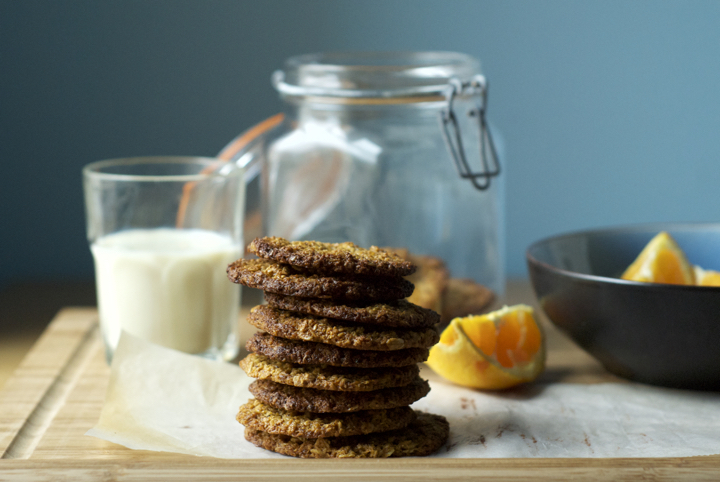
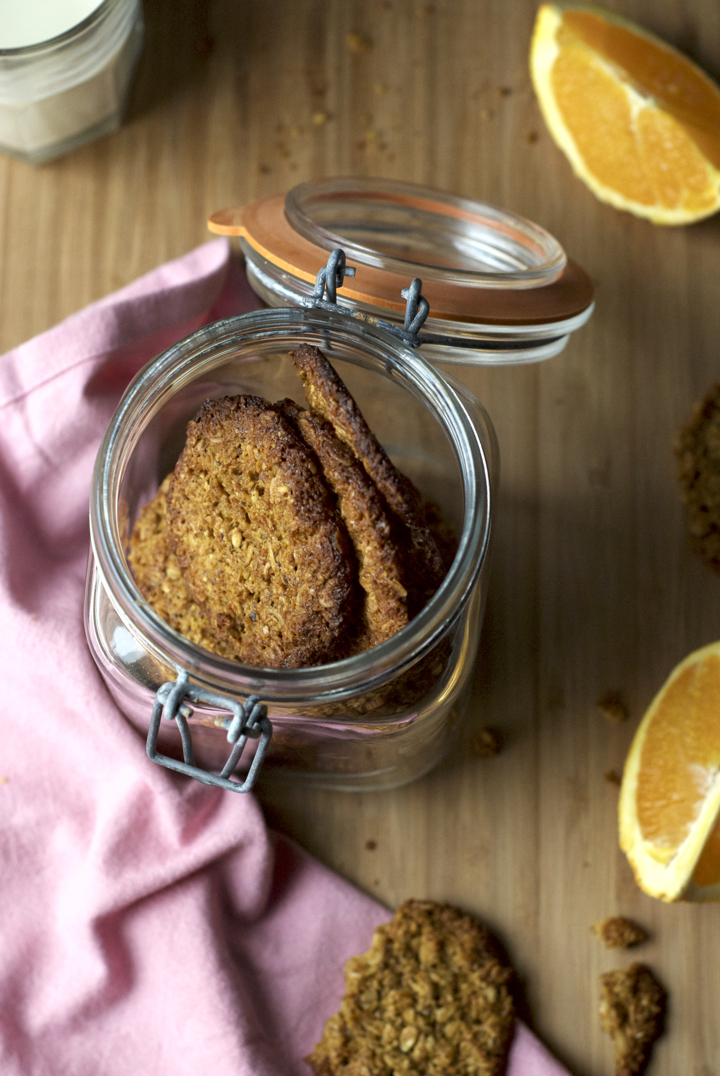
Ginger & Orange Oat Cookies
Makes about 35 cookies
Dry mixture
138 g / 1 ¼ cups old fashioned rolled oats
110 g / 1 cup oat flour
50 g / ½ cup desiccated coconut
3 teaspoons ground ginger
1 teaspoon baking soda
½ teaspoon sea salt
Wet mixture
1 Tablespoon fresh ginger, minced
1 ½ Tablespoons orange zest (from about 2 ½ medium sized oranges)
80 ml / 1/3 cup olive oil
185 ml / ¾ cup brown rice syrup
2 Tablespoons flaxseed meal
60 ml / ¼ cup water
In a small bowl, combine the flaxseed meal and water together. Whisk well, cover, and let it rest for about 5 minutes or until it thickens.
Mix the dry ingredients in a medium sized bowl. In another bowl, whisk together the remaining wet ingredients and the flaxseed mixture.
Pour the wet mixture over the dry and mix with a wooden spoon until everything is well combined. Refrigerate the cookie dough for at least 1 hour before using. In the meantime, pre-heat the oven to 180 C and line a large tray with baking paper.
After the dough is chilled, scoop out 1 tablespoon of it at a time. Wet your hands and flatten each piece of dough between your hands, until you get a cookie that is about 2 mm thick. Arrange each cookie at least 4 cm (1.6 inches) apart from each other in the prepared baking tray. They’ll spread out quite a bit.
Bake the cookies for 10-12 minutes or until golden brown around the edges. Let them cool on a rack before eating and store them in an airtight container.
Beetroot & Barley Risotto
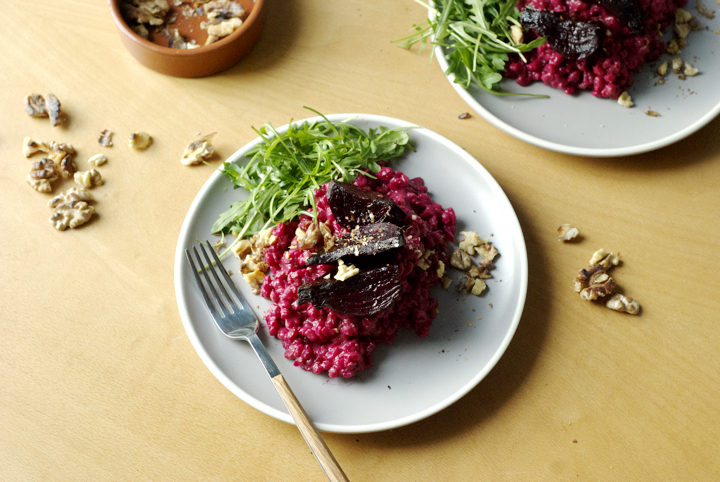
I have this little food and recipe notebook in which I write down ideas I have for dishes. Most of those ideas are for savoury concoctions, and that makes me realize, once again, how this blog is way more savoury than sweet-oriented. I want you guys to know that I really, really wanted to come up with a dessert recipe this week, but then I made this beet risotto and thought it was too good not to share it with you.
Barley is an ingredient I cook with often. I love it in salads and simply on its own as an accompaniment for vegetable stews and curries. I thought it was a good grain to use on a risotto because it holds its shape after being cooked, cooks in less time than brown rice, and has a beautiful nutty flavour.
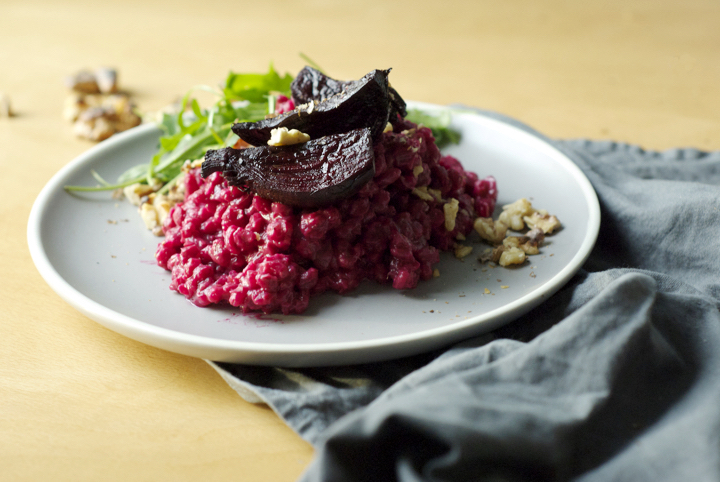
If you like beets, you’ll certainly love this dish. But if you don’t, then I’m not sure if this is the right thing for you. Thanks to them, the risotto has that distinctive earthy and sweet flavour that I personally love but know many don’t – I actually know very few people who share my enthusiasm for beets. Topped with extra roasted beets and walnuts this is a substantial dinner perfect for rainy winter nights (just don’t freak out if you wake up in the middle of the night to pee and it’s red).
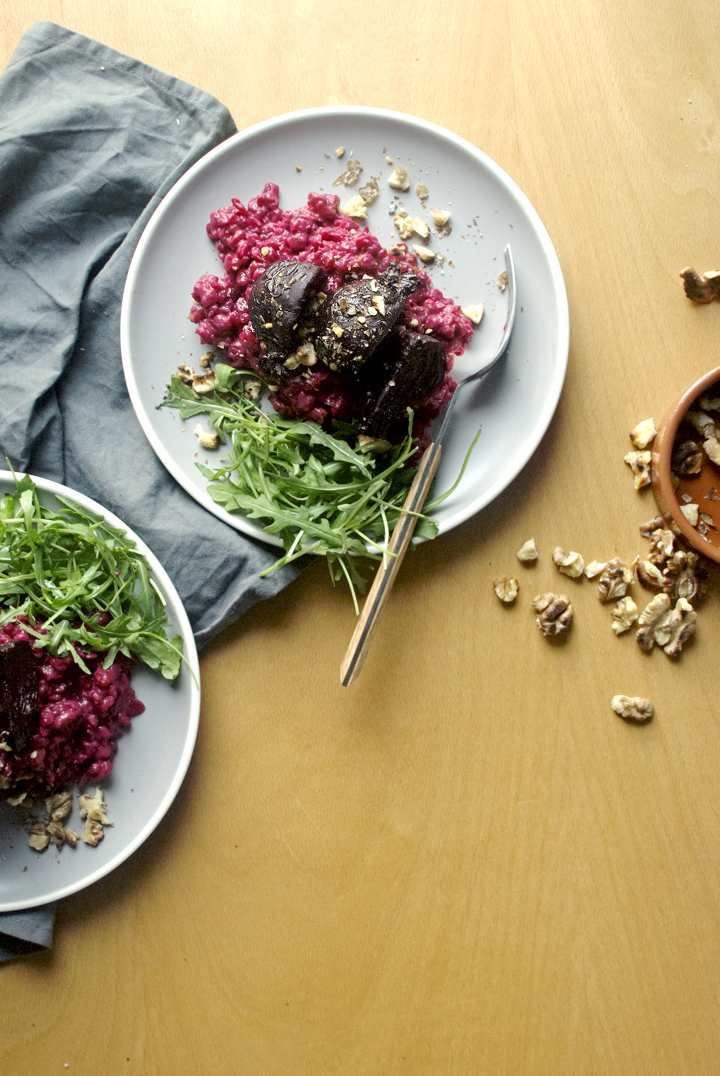
Beetroot & Barley Risotto
serves 4
7 medium sized / 550 g beets, cut into quarters
2 Tablespoons olive oil, divided
1 Tablespoon balsamic vinegar
1 large / 270 g onion, thinly sliced
3 garlic cloves, minced
4 Tablespoons water
200 g / 1 cup shelled barley, soaked overnight
750 ml / 3 cups low sodium vegetable stock
185 ml / ¾ cup full fat coconut milk
salt and black pepper to taste
toasted walnuts for serving
Pre-heat the oven to 180c. Line a large tray with parchment paper. Add the quartered beets as well as 1 tablespoon of olive oil, the balsamic vinegar, and a good pinch of salt and pepper. Stir well, so that the beets are all coated with the balsamic and oil mixture. Put another piece of parchment paper on top of the beets and crimp the edges to form a packet. Roast in the oven for about one hour – the beets are cooked when you can easily pierce them with the tip of a knife.
In a large pot over medium heat, add one tablespoon of oil and cook the onion and garlic for 8 to 10 minutes, or until soft. The mixture will dry out, and to keep it from sticking to the pan add 4 tablespoons of water halfway through the cooking time. Next, add the barley and the 3 cups of stock. Cook, uncovered, on a low-medium heat for 15 minutes.
Add 125 grams of the cooked beets and the coconut milk to a blender and puree until smooth (I do not bother peeling the beets at this point, but do that if you prefer). Pour this mixture over the barley , stir well, and cook for additional 5 minutes. Have a taste and adjust the seasoning if needed – I added extra salt (about 1/2 teaspoon) and a grind of black pepper. Serve immediately with the remaining roasted beets and plenty of toasted walnuts on top.

leave a comment